
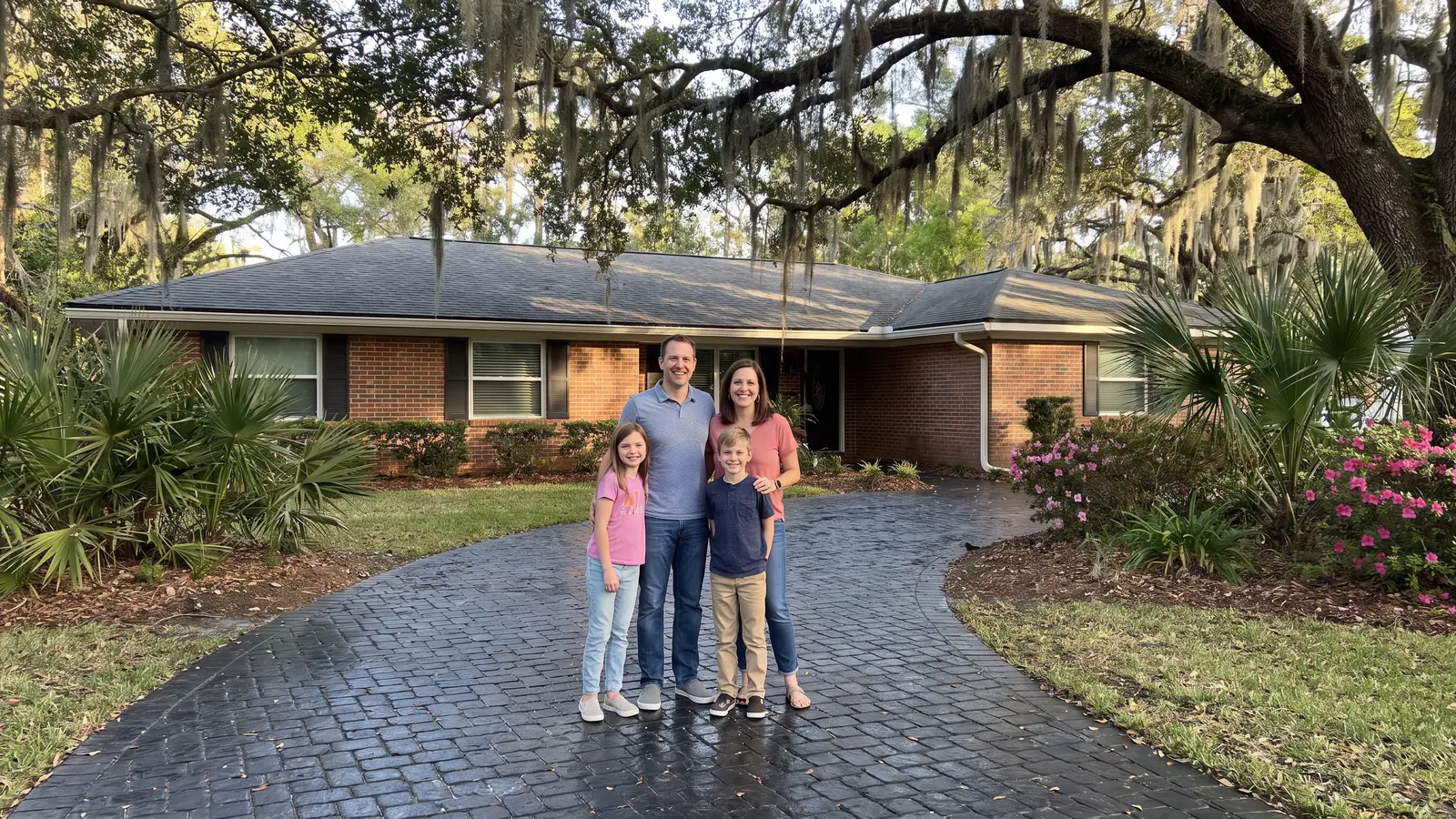
Paver sealing for San Marco homes
Paver Sealing in San Marco, FL
Tired pavers near San Marco Square can look new again, so call (904) 474-3568 for a free sealing estimate.
- Brings out deeper paver color
- Fresh joint sand helps lock pavers in place
- Gives weeds less room to grow
- Makes the surface easier to keep clean
- Free estimate, no obligation
Request a Free Estimate
Free, no obligation.
Fast, careful paver sealing in San Marco
Looking for paver sealing in San Marco? A local contractor cleans, re-sands and seals front walks, courtyards, driveways and pool decks, from the Square down toward Greenridge Road. The estimate is free. After you ask for your free estimate, watch for a reply within 1 business day, usually much sooner.
Think of the courtyard you cross every morning. Now it shows dark streaks, a faded tone and a few bare joints. A wash, new sand and a fresh coat return the color, and the whole entrance looks cared for, so ring (904) 474-3568 and describe yours.
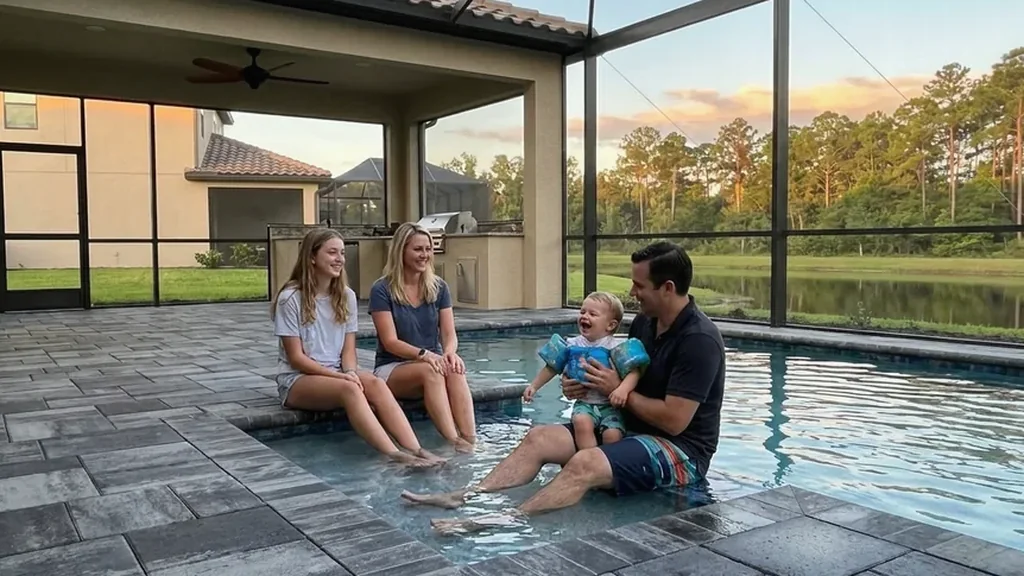
Why hire a local paver sealing contractor in San Marco?
San Marco homes range from 1920s Mediterranean Revival to newer builds, and each style calls for a different eye on the pavers. Local contractors see these houses often, so ask for your free estimate and ask how they would handle yours.
See it before you pay
The contractor visits your San Marco property, studies the courtyard or drive and quotes it. The visit is free.
Check the number
Posted prices run $1.75 to $3.25 per square foot across Northeast Florida. Hold any San Marco quote up against that range.
Finish that suits the facade
Matte sits quietly beside stucco and old brick. A wet look adds depth but shows scuffs sooner.
A reply inside a day
Expect to hear back within 1 business day, usually much sooner. The estimate has no strings attached.
Get Your Free Estimate in San Marco
Tell us about your pavers in San Marco.
Free, no obligation
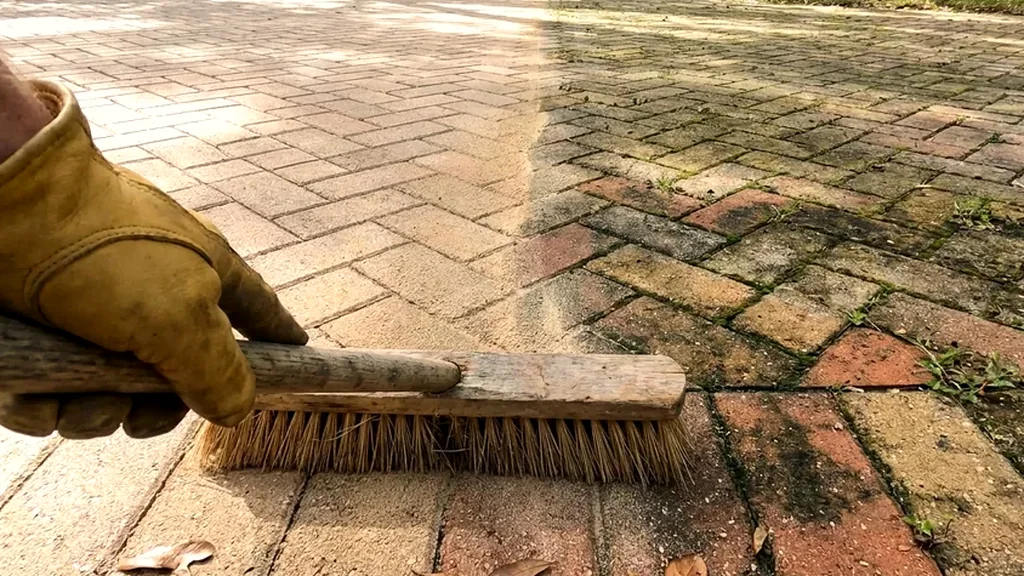
What paver problems show up most in San Marco?
Street water in the low blocks
San Marco has dealt with street flooding for years, and the city's LaSalle Street project was reported complete in October 2026. It added a pump that can move 60,000 gallons a minute. City officials still say it is not expected to stop every flood. A drive that took water leaves silt in the joints, and the silt has to be washed out before any sealer goes on. Tell the contractor if water has reached your garage apron, because that is where silt settles first. A photo from the last big storm helps. None of this means sealing is a bad idea in a low block. It means the wash comes first and the date follows the weather. The project aimed to cut flooding in a 50-year, 24-hour rain, so a rarer and heavier storm can still put water on a drive.
Shade, leaves and damp corners
Treaty Oak Park holds one of Jacksonville's oldest live oaks, a reminder of how big the trees get here. Big canopies keep patios cool and slow drying. Moss and algae show up on pavers that stay shaded and damp. If a large tree covers your courtyard, expect the green to start in its shadow. Leaf drop adds tannin stains, which look brown and soak into bare stone. A sealed surface releases them far more easily at the next cleaning. Trimming back low branches, where the tree owner allows it, lets more sun reach the stone. Wet leaves leave brown tannin marks on bare stone, and a sealed surface lets them rinse off much more easily.
A century of owners and coats
The first San Marco lots went on sale in 1925, so a front walk may have been redone several times. A past owner might have used a product nobody wrote down. Water-based sealer cannot be laid over an old solvent-based coat. The contractor finds out what is on your pavers before choosing what goes next. Ask neighbors who did their walks, since one crew often works a whole block over the years. Old receipts, a sticker on the garage wall or a note from the closing papers can name the product. The San Marco Building of 1927 and the theater of 1938 show how long this area has been in use, so walks around homes of that age have likely been redone more than once.
Joint sand that rain moves
Duval County sits on sandy ground, and the city averages about 52 inches of rain a year. Summer storms arrive in short, hard bursts. They wash sand out of joints and send it down the drive. Loose joints let soil in, which is where weeds begin. A fresh fill of sand after the wash is what keeps the seams tight through the next season of storms. Pull a handful from a seam, and you can often tell how much is left. Weeds that return a few weeks after a pull are a sign the seams are open. Tight joints hold paver edges together, so a drive with empty seams starts to shift under tires.
Shine that fights an older front
San Marco was first planned in an Italian Renaissance revival style, and the Square has Mediterranean Revival and art deco buildings. A high gloss on a courtyard can fight that quiet look. Matte tends to sit calmly beside old stucco and brick. A wet look shows scuffs sooner, so weigh it against daily foot traffic. A photo of the front of the house lets the contractor suggest a finish ahead of time. Ask to see a small sample patch if you are unsure how a finish will read in your light. Photos taken in morning and late afternoon show how each finish reads in your light before you commit.
Is paver sealing handled differently near San Marco Square?
It can be, because the streets near the Square are tight and the homes sit close together. The development began in 1925 on 80 acres, with 250 lots, and the Square took its name from Venice. Courtyards here are often small, so tell the contractor how much room there is when you ask for your free estimate. Atlantic Boulevard, opened in 1910, and the Acosta Bridge of 1921 tied the neighborhood to Downtown and the beaches.
Farther south, the neighborhood runs toward Greenridge Road and Point La Vista, where the 1857 Red Bank house still stands. That part of San Marco has a looser, older feel, with larger yards and long drives. Call (904) 474-3568 and name your street, so the contractor can plan for the lot you have.
Closer to the river, some blocks take water in heavy storms. The city says its LaSalle Street pump station and larger pipes should help water leave faster. They will not stop every flood, so ask the contractor how your drive drains, and ask for your free estimate to book a look.
What does paver sealing cost in San Marco?
Companies in the region post $1.75 to $3.25 per square foot for cleaning, sanding and sealing. A San Marco courtyard with many corners takes more hands-on work than a straight drive of the same size. Stripping a failed coat pushes a job higher, according to one national company. To see where yours lands, ask for your free estimate.
Silt from street water, deep shade growth and lifted stones each add time to a job. A sunny, clean drive costs less to prepare. Describe yours when you call (904) 474-3568, and the contractor can tell you which way your quote will lean.
| Paved area | Typical example | Clean, sand and seal |
|---|---|---|
| 300 sq ft | Small patio or walkway | $525 to $975 |
| 600 sq ft | Two car driveway | $1,050 to $1,950 |
| 1,000 sq ft | Large driveway or pool deck | $1,750 to $3,250 |
| 1,500 sq ft | Driveway plus pool deck | $2,625 to $4,875 |
Math based on the $1.75 to $3.25 per square foot that Northeast Florida paver companies published as of November 2026. Your contractor sets the actual price after seeing the surface. Repairs, leveling and stripping failed sealer are usually extra.
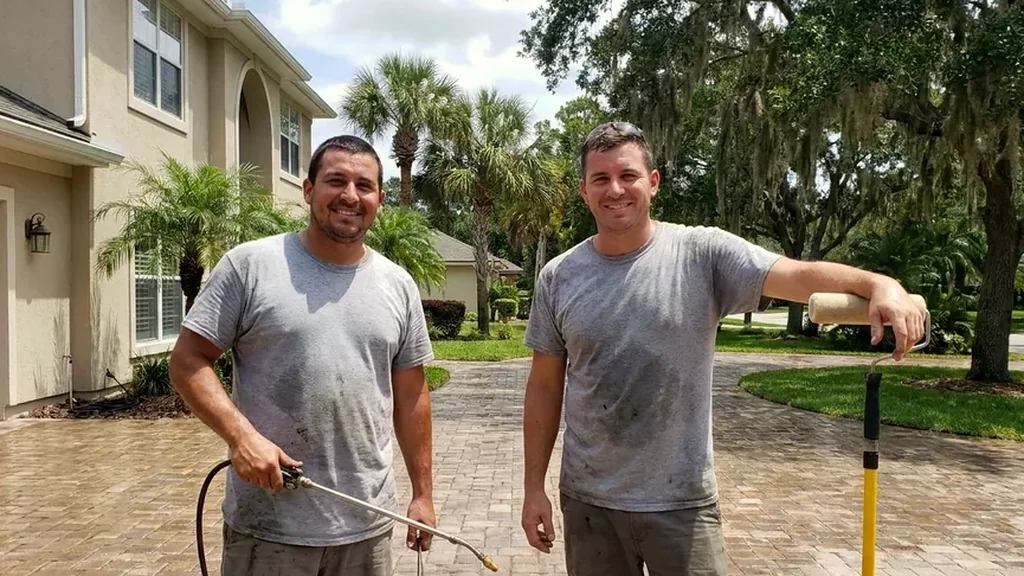
How does a paver sealing job work in San Marco?
Walk the lot, read the surface
The contractor starts with drainage, noting where water leaves your drive and where it stands. Sunken stones are marked for repair, because sealing keeps a dip in place. If an old coat shows, its type matters, so a small test spot comes first.
Clean off silt, leaves and film
Washing lifts green film, leaf stain and any silt left by street water. Courtyards beside old brick or stucco get gentle handling, with rinse water aimed away from walls and doors. Marks that survive the first pass get a second look.
Pack the joints with fresh sand
Because washing strips out joint sand, new sand is packed in before the coat. The seams are swept clean afterward. On sandy Duval County ground, open seams invite soil and weeds. A Jacksonville company says prep runs two to three hours for each hour of sealing.
Give the stone time to dry
Sealer needs a dry surface. Jacksonville's wettest months run from May to September, and shaded courtyards dry last. After a big storm, expect the date to slide a day or two. Sealing damp stone can leave a cloudy finish.
Apply the coat, then stay off
The usual method is a spray pass followed by a roller that works the product into the joints. A Jacksonville company says walking is fine within a few hours and cars need about a day. Expect two to five years before the next coat, based on what local companies quote.
Complete paver services in San Marco
A San Marco job begins with a walk around the property. The contractor marks lifted stones, notes where water leaves the drive and checks for an old coat. Cleaning, new sand, drying and sealing follow in that order. To hear how the steps would run at your house, call (904) 474-3568.
Courtyards, front walks, driveways and pool decks all show wear in different ways. Courtyards hold shade and damp. Drives collect tire marks, and pool decks collect splash and bare feet. When you ask for your free estimate, name every surface you want done so the quote covers it.
Choosing a sealer means two decisions: water-based or solvent-based, then matte or wet look. An old solvent coat narrows the first choice. On Mediterranean Revival fronts, matte tends to feel at home, though some owners like the deeper color of a wet look. Call (904) 474-3568 to talk it through.
Rain and drainage set the calendar in San Marco. Summer storms come fast, and low blocks near the river can hold water, even with the new LaSalle Street pump in place. A contractor may wait a day or two for the stone to dry. To pick a date that fits your block, ask for your free estimate.
Questions to ask before you hire
- Can you lift the tar spots and chewing gum off my pavers before you seal?
- What should I look for when I walk the job afterward to know it was done right?
- How do you handle a job where a big shade tree keeps the pavers damp until noon?
- Can you start after the school drop-off and finish before my kids are home?
- Do you wash the driveway apron out to the curb, or stop at my property line?
- Do you charge extra for a steep driveway or a circular layout?
- Could you price only the front half of the driveway to start?
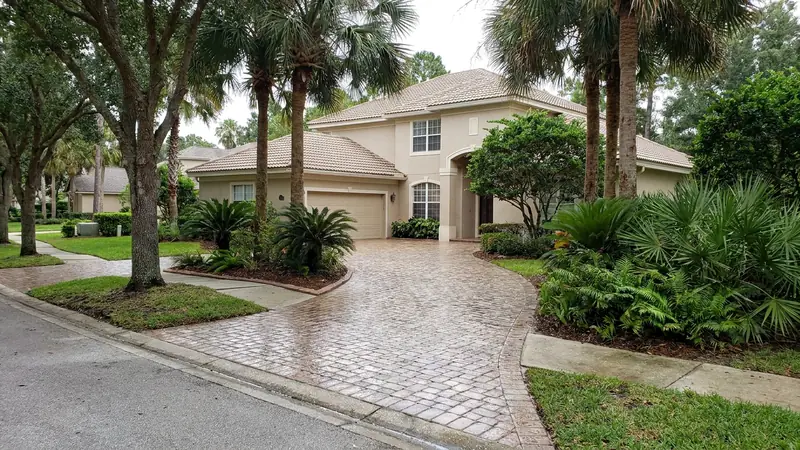
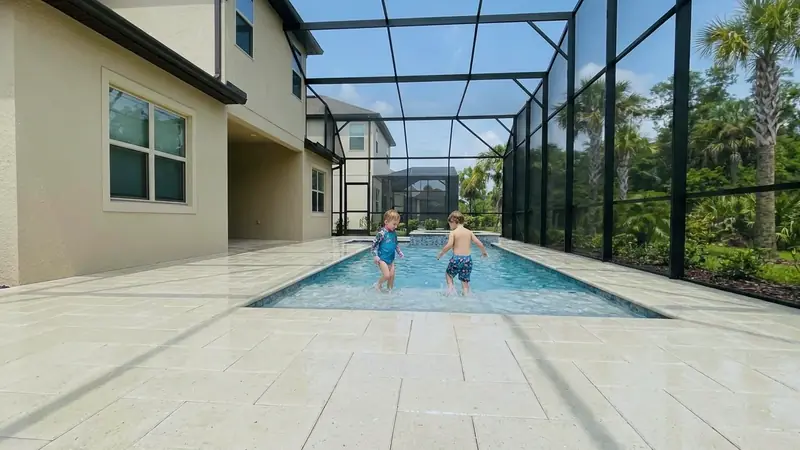
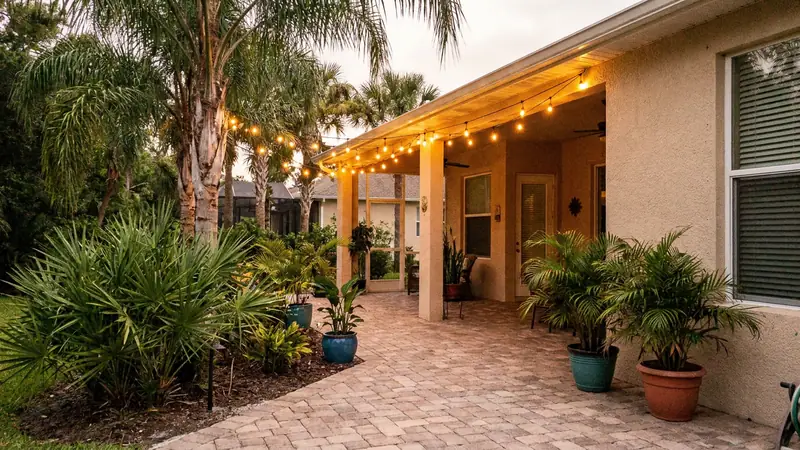
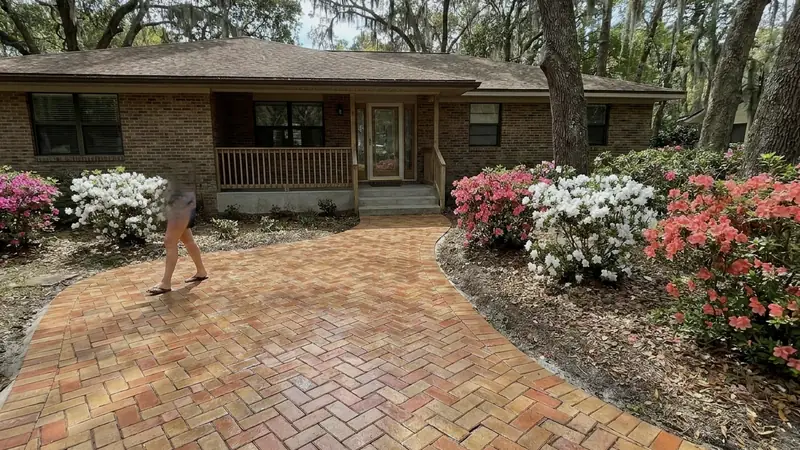
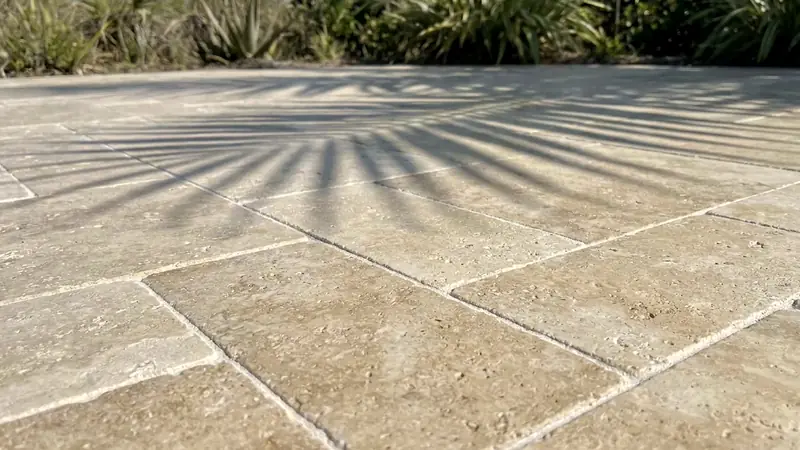
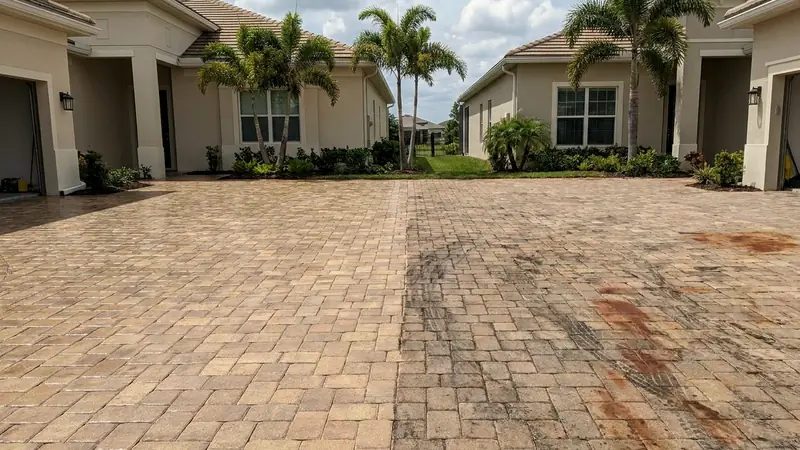
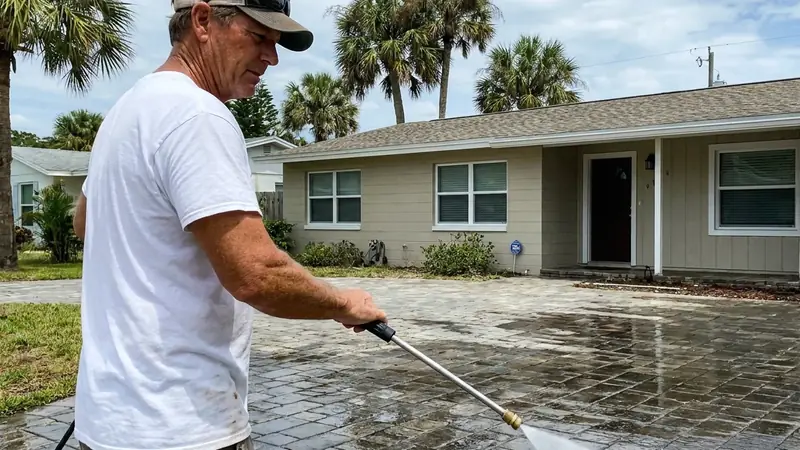
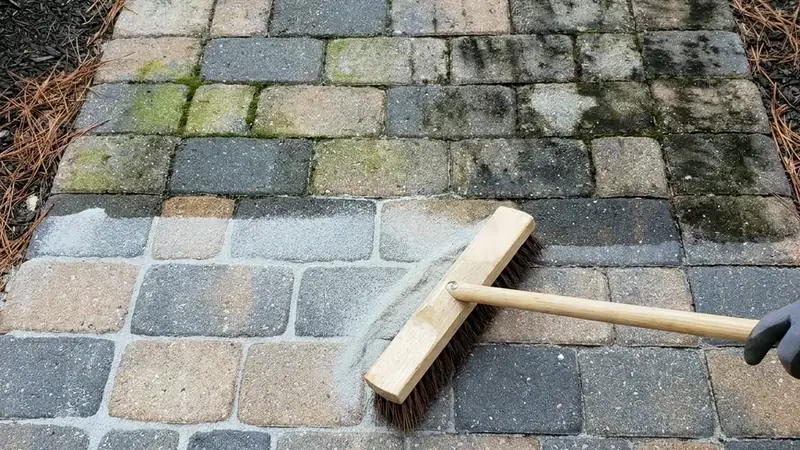
What do sealed pavers look like around San Marco?
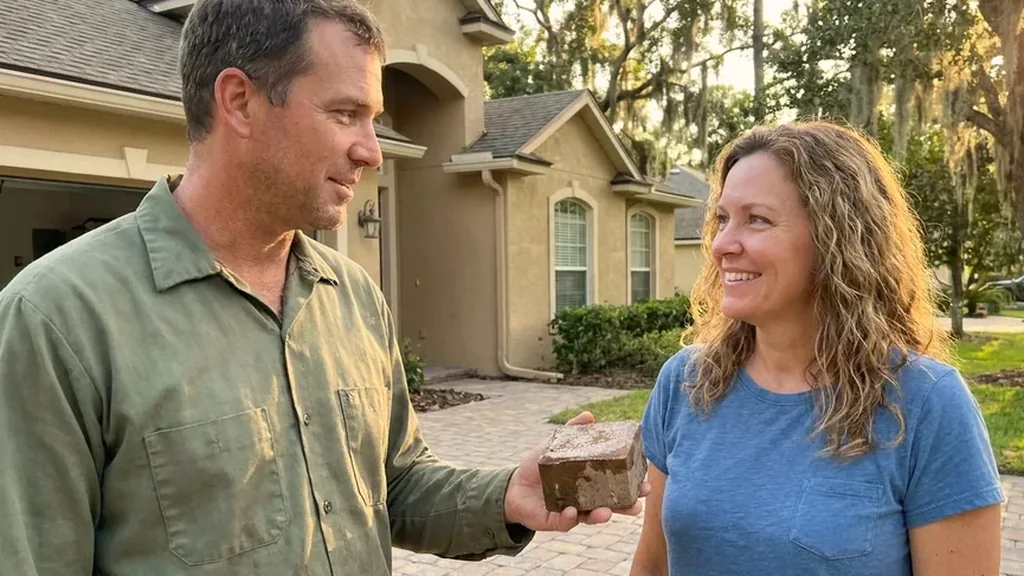
Why local matters in San Marco
A contractor who works San Marco knows which blocks collect water and which drain quickly. That tells them how much silt to expect on your drive and how long to let it dry. For someone who works this side of the river, call (904) 474-3568.
San Marco mixes Mediterranean Revival, art deco touches and newer houses, so one finish rarely fits every address. A local contractor who sees these homes often can suggest what suits yours. If you ask for your free estimate, add roughly when the house was built.
Timing is local too. Heavy rain comes between May and September, and street water can sit in the low blocks. A contractor who plans around that keeps sealer off wet stone, so ask for your free estimate and ask for the next dry window.
Why do San Marco homes look the way they do?
Because Telfair Stockton planned the neighborhood in 1925 with Venice in mind, and he sold all 250 lots within three hours. The Square took its name from the Piazza San Marco, and the first plans called for an Italian Renaissance revival style. The San Marco Building of 1927 and the San Marco Theatre of 1938 still anchor the Square. If your front walk is near them, ask for your free estimate.
A ferry crossed at Cow Ford, plantations stood here in the 18th century, and the 1857 Red Bank house still stands at Point La Vista. The Acosta Bridge opened in 1921 and Atlantic Boulevard in 1910, which tied the area to Downtown and the beaches. If your home is close to any of these places, call (904) 474-3568 and give the contractor your street. Treaty Oak Park holds one of Jacksonville's oldest live oaks.
Frequently Asked Questions
Is it good to seal pavers in San Marco?
Yes, in most cases. Sealer slows fading, helps hold joint sand and makes stains easier to remove. In San Marco, where storms can wash out joints and shade holds moisture, it protects the surface between cleanings. If your pavers have sunk or shifted, ask for those repairs in the same visit. It is a good choice for a courtyard you walk across every day.
How much is sealant for pavers in San Marco?
Published prices in this region run $1.75 to $3.25 per square foot for the full clean, sand and seal. Courtyards with many corners and surfaces with failed old coats sit higher in that range. Ask for the total square footage in your quote. Square footage is the number that moves the total most, so measure your courtyard and drive before you call. A free estimate gives you the product, the finish and the price in one place.
What is the average cost to seal pavers in San Marco?
Expect the same published range, $1.75 to $3.25 per square foot, to clean, sand and seal. A typical job lands between those numbers based on size, stains and old sealer. A free estimate gives you a price for your own pavers. Treat any quote far below that range with caution, since prep is where shortcuts hide. Check whether the price covers new sand, paver repairs and stain treatment.
Is it better to spray or roll paver sealer?
Professionals commonly do both. They spray for even coverage and then back-roll to push the sealer into the joints. Ask the contractor to describe the method they plan to use. A roller by itself can skip joints, and a sprayer by itself can leave puddles. Either way, the goal is a thin, even coat with no puddles.
How long does paver sealer last in San Marco?
Local companies put the span between coats at two to five years. Shade and heavy foot traffic push toward the short end. A Jacksonville company says beading water on the surface is a sign the sealer still works. A quick test with a splash of water each spring tells you where you stand. Shade and low blocks that stay wet are the usual reasons a coat wears sooner.
Does the LaSalle Street drainage work change how I should seal my pavers?
It does not change the steps, but it may change how often your drive stays wet. The city says the new pump station and pipes should help water leave faster. They are not expected to prevent every flood, so a clean, fully dry surface is still required before sealing. If your block flooded recently, expect a longer wash so silt does not get sealed in. The work is a long-term fix for the street, and your pavers still need their own care.
Can I switch from a gloss sealer to matte in San Marco?
It depends on what is on the pavers now. Water-based product will not bond to solvent-based product. The contractor checks the old product first and then advises on finish. If the old coat stays a mystery, stripping it may come first, and stripping costs extra. A test spot takes a few minutes and usually costs nothing.
Can I seal a courtyard that sits next to old brick?
Yes, with care. The contractor tests a hidden corner, keeps rinse water off the brick and picks a finish that suits it. Matte is a common choice beside older masonry. Ask about the product before work starts.
How long should I stay off pavers after sealing in San Marco?
Walking is usually fine after a few hours, and cars need about a day, says a Jacksonville company. Heavy rain can stretch that, so ask the contractor for a time based on the product and the forecast.
Do I need to move potted plants and furniture before sealing?
Yes. The contractor needs clear surfaces, so pots, chairs and grills come off the pavers for the day. Ask which items can go back after the coat has dried and how long that takes.
Will sealing change the look of my San Marco courtyard?
It can. A matte coat keeps the natural look, while a wet look darkens and deepens the color. Ask to see a small sample patch if you are unsure. You pick the finish, and the estimate carries no obligation.
Why does water pool on my San Marco drive after rain?
Usually the surface has settled or the slope runs toward a low corner. Sealing does not change the grade, so the contractor may suggest resetting stones first. The city's LaSalle Street work targets street flooding, not individual driveways.
Nearby areas we serve
Ready for a Free Estimate in San Marco?
Call (904) 474-3568 and tell us about your pavers.
Free, no obligation