
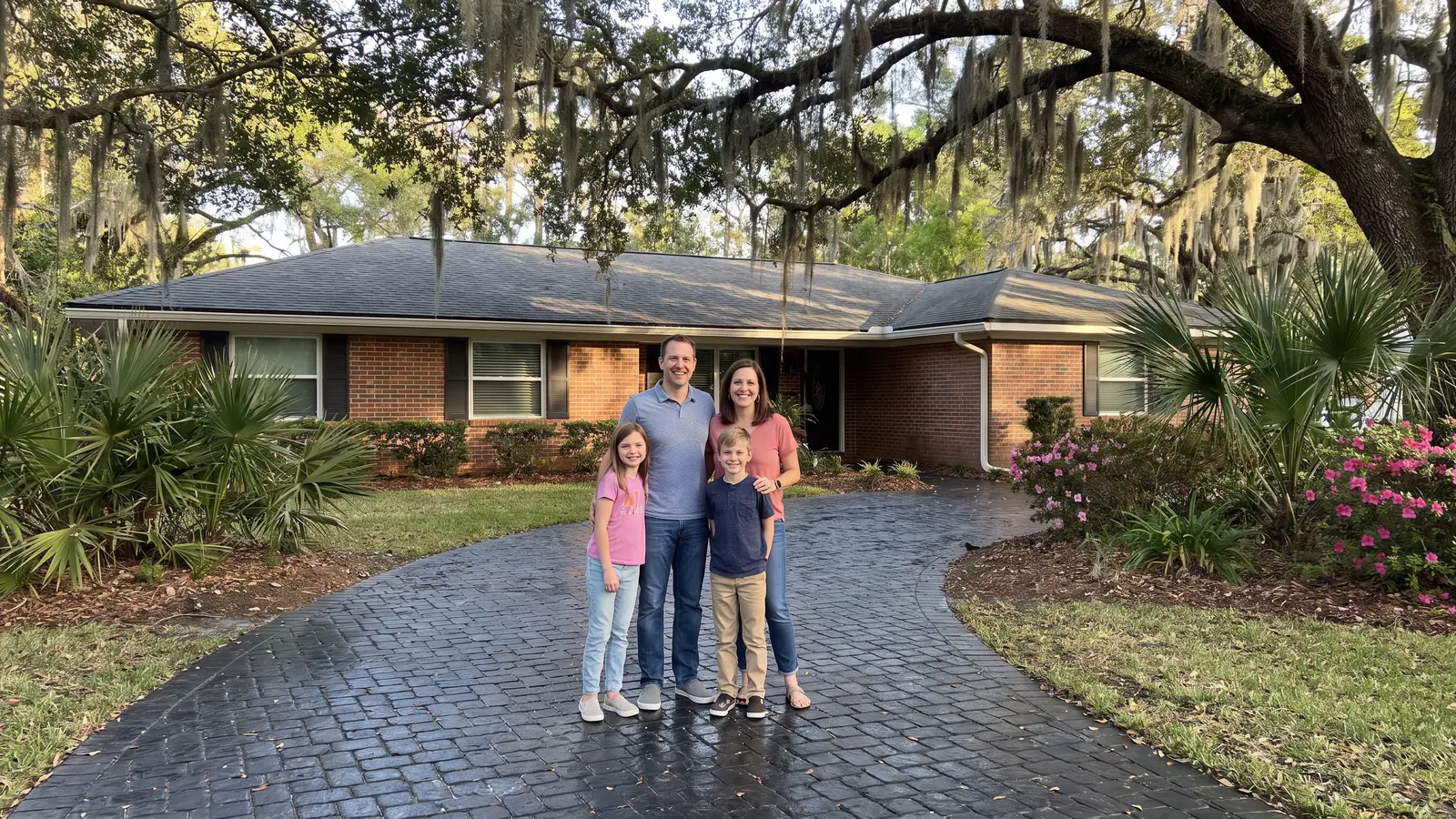
Paver sealing for Oceanway homes
Paver Sealing in Oceanway, FL
Pavers in Oceanway, from Oceanway Manor to newer streets, get a free sealing estimate when you call (904) 474-3568.
- Brings out deeper paver color
- Fresh joint sand helps lock pavers in place
- Gives weeds less room to grow
- Makes the surface easier to keep clean
- Free estimate, no obligation
Request a Free Estimate
Free, no obligation.
Fast, careful paver sealing in Oceanway
Paver sealing is on offer across Oceanway, from the older streets of Oceanway Manor to the newer subdivisions off Yellow Bluff Road. The contractor washes pavers, refills joints and applies sealer on driveways, walkways and pool decks, and the estimate is free. Dial (904) 474-3568 and you will get a reply within 1 business day, usually much sooner.
Say your driveway has a white haze, or the joints have gone to weeds, or the color has dulled since the house was new. A contractor can wash it, fill the joints and put on a coat that brings the color back evenly. Describe your pavers when you ask for your free estimate, and no one will push you to sign.
Why hire a local paver sealing contractor in Oceanway?
North Jacksonville has grown fast, which means Oceanway has brand-new pavers and 1950s driveways within a few miles of each other. A local contractor works with both, so call (904) 474-3568 and say which you have.
Free estimate, plain answer
A contractor looks at your Oceanway pavers and tells you what the job needs and costs. You owe nothing for the look.
The published range
Published Northeast Florida prices run $1.75 to $3.25 per square foot for the full job. Compare any Oceanway quote with it.
New or old, it gets a plan
A new driveway may need to wait before its first coat. An older one may need old sealer checked. Each gets its own plan. You get a plan that fits your pavers, not a standard one.
You control the schedule
You pick the finish and the day. If rain moves the date, the contractor works around you. Nothing is booked until you say so.
Get Your Free Estimate in Oceanway
Tell us about your pavers in Oceanway.
Free, no obligation
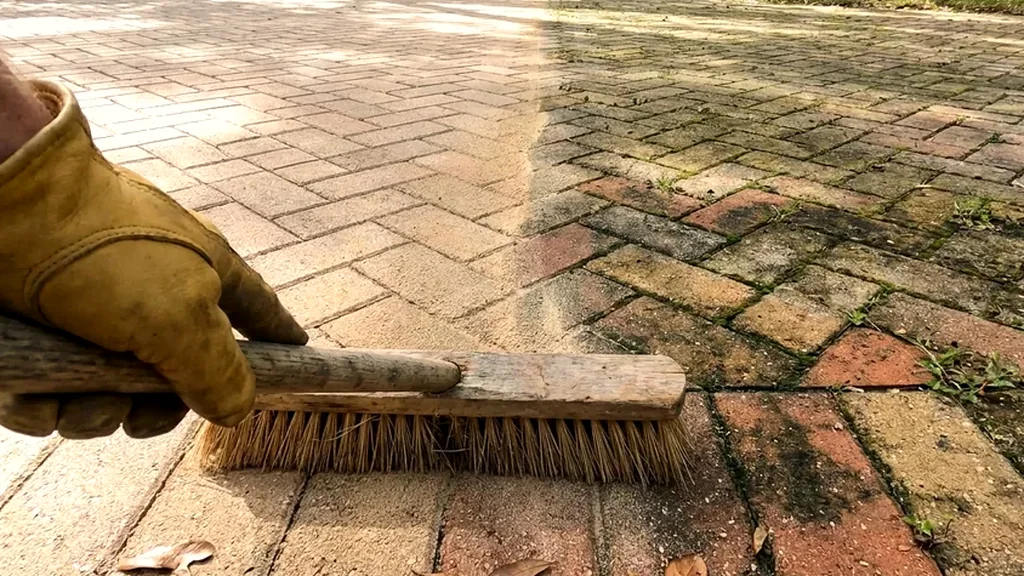
What paver problems show up most in Oceanway?
Standing water after storms
News4Jax reported that no home was spared on Blue Whale Way during Hurricane Irma, and residents blamed poor drainage because they could not find a body of water nearby. Flat ground and slow drainage leave pavers sitting wet after a storm. Wet pavers collect silt and grow algae, and sealer cannot go on until the surface is clean and dry. The fix starts with a wash and ends with a dry surface. A contractor can tell you at the free estimate how long your lot is likely to take to dry. Ask about the low corner of the drive, because that is where water lingers. Oceanway sits near the Timucuan Preserve, whose 46,000 acres of wetlands and waterways say a lot about the ground nearby.
White haze on newer pavers
North Jacksonville approved 405 single-family homes between January 2025 and March 2026, so many Oceanway pavers are young. A white deposit called efflorescence often shows on cement-based pavers in the first or second season and fades with weathering. A contractor can tell that haze from a failing coat, and the two need different handling. Pavers laid in the last few years are still settling into their look. That is one reason a contractor wants to see the surface before giving a date. A young surface often needs less prep, which can keep the price near the low end. With 405 homes approved in North Jacksonville in about 15 months, plenty of pavers there are young or not yet laid.
Joint sand gone after one storm
Jacksonville averages about 52 inches of rain a year, with brief, intense downpours in summer. A Jacksonville paver company says a single summer storm can carry joint sand off a driveway. Once the joints drop, pavers lose the support that locks them together, and weeds and ants find the gaps. That is why a sealed joint matters. Sand locked in place by a coat holds up better through the next storm. The cost of skipping it shows up later as a wobbly paver or a weedy seam. July highs near 92 degrees bake a surface, which fades unsealed color over the years.
Older sealer from the 1950s to 1990s homes
Oceanway Manor goes back to 1958, with houses built between 1948 and 1999. A driveway there may have been redone and sealed more than once. If a past owner used a different product, a water-based sealer cannot go over a solvent-based one. Sealer that has turned milky has to be stripped. If you are not sure what is on the surface, say so at the estimate. The contractor can test a small spot and decide what product can go on. A coat that has gone white or flaky is a sign the old product needs attention first. Where a house went up in the 1950s, the drive has likely been redone by now, so ask past owners what was used.
Rust lines from irrigation
Most Florida well water carries iron, and University of Florida experts say irrigating with it can leave orange stains. In Oceanway, where about 90 percent of homes in ZIP 32226 are owner-occupied, many yards run their own sprinklers. A line of rust along a driveway edge is easy to spot. A contractor pretreats rust, though some deep stains will not come out completely. Rinse water carries iron stains too, so a rust line near a hose bib or a downspout is worth pointing out. Aiming sprinkler heads off the pavers keeps fresh marks from forming. Ask the contractor what product is safe on your pavers. Irrigation water also leaves rust on curbs and siding, so check the apron and the front walk too.
Do older and newer Oceanway homes need different paver sealing?
Oceanway Manor and its older driveways
Yes, since a driveway laid last year and one laid in the 1960s face different problems. Oceanway Manor dates to 1958 and has single-family homes from 1948 to 1999. Streets such as Moby Dick Drive, Shamrock Avenue and Collen Road have been listed there. If your home is in that age range, ask for your free estimate and say about when the drive was redone.
Newer Oceanway homes off Yellow Bluff Road
Newer neighborhoods are rising off Yellow Bluff Road and Cedar Bay Road, where the city approved dozens of homes. A brand-new paver surface usually waits 30 to 60 days before a first coat, a local company says. In that case the first visit is about timing and a plan. Call (904) 474-3568 and say when your pavers went in.
Damp ground near the Timucuan Preserve
Oceanway sits in the Northside region, bordered by the Timucuan Preserve and wetlands, so ground can stay damp. Census figures for ZIP 32226 show about 90 percent owner-occupied housing and a 2024 median home value of $362,100. Owners here tend to want the work done once and done right. To start, ask for your free estimate.
What does paver sealing cost in Oceanway?
The published Oceanway price range
The range commonly published here is $1.75 to $3.25 per square foot to clean, sand and seal. A new Oceanway driveway with little to remove sits at the easy end. An older drive with failed sealer to strip lands higher. To price your own surfaces together, ask for your free estimate.
Why bigger Oceanway driveways cost less per foot
Size matters. A Jacksonville guide says larger projects cost less per square foot because prep does not scale with the area. A small walkway costs more per foot than a big drive. Call (904) 474-3568 and describe all the paved areas you want done.
| Paved area | Typical example | Clean, sand and seal |
|---|---|---|
| 300 sq ft | Small patio or walkway | $525 to $975 |
| 600 sq ft | Two car driveway | $1,050 to $1,950 |
| 1,000 sq ft | Large driveway or pool deck | $1,750 to $3,250 |
| 1,500 sq ft | Driveway plus pool deck | $2,625 to $4,875 |
Math based on the $1.75 to $3.25 per square foot that Northeast Florida paver companies published as of November 2026. Your contractor sets the actual price after seeing the surface. Repairs, leveling and stripping failed sealer are usually extra.
How does a paver sealing job work in Oceanway?
Check the age and the drainage
The contractor asks when your pavers went in and where water stands after rain. New pavers may need to wait 30 to 60 days. Older ones are checked for old sealer, since the type decides what can go on. Slow drains or low spots get marked before any work starts. That first look sets the price and the schedule. It takes a few minutes, and the estimate is free. Bring up any standing water, since it changes the order of work.
Reset what has sunk
Any sunken or lifted pavers are repaired first, since sealing preserves a dip instead of fixing it. Tell the contractor if water ever stands on that spot. Flat ground and slow drainage are common in this part of Duval County. The contractor can also check the edging that holds the pavers in. A loose edge lets the whole field move over time. Cars, trash cans and potted plants come off the pavers before the wash starts.
Wash and treat stains
The wash removes algae, silt and grime. Oil, rust and tire marks get pretreated, though some deep stains will not come out completely. A white haze is looked at closely to see whether it is new-paver bloom or old sealer. Pressure is matched to the surface, because strong spray can loosen joints. Gentle washing leaves more sand in place. Tell the contractor if a ditch or low spot sits beside the pavers, since water from there can wash sand out again.
Re-sand and let it dry
Washing removes joint sand, so it goes back in before the coat. Then the surface has to be fully dry. In Oceanway that can take longer after rain, since ground near the preserve and creeks can stay wet. The contractor will wait instead of sealing damp pavers. The sand is swept in until the joints are full to the top. That is what locks the pavers together once the coat is on.
Seal in your finish
Sealer goes down as either a matte or a wet look. A wet look gets scuffed sooner than matte does. Companies commonly quote two to five years between coats, and PaverGuard says full-sun driveways can land nearer 18 to 24 months. Keep cars off for about a day. Ask for the product name and the date, and keep them. When the next coat comes due, that note saves a guessing game. Walkways and a pool deck can go in the same visit.
Complete paver services in Oceanway
The five parts of an Oceanway job
A typical Oceanway job has five parts: a look, repairs, a wash, fresh joint sand and the coat. The wash and the drying time take most of the day. Fresh sand goes in before sealing. To ask how long it would run on your drive, call (904) 474-3568.
Driveways, patios and walks in Oceanway
Driveways in Oceanway take cars and trucks every day. Back patios and pool decks take sun, water and bare feet. Walkways collect leaf stain and algae where they stay damp. When you ask for your free estimate, mention which surfaces you want sealed.
New or old pavers in Oceanway
A new surface and an old one call for different questions. With new pavers the contractor asks how long ago they were laid. With older ones the question is what sealer is already on them, since water-based cannot go over solvent-based. Call (904) 474-3568 and the contractor can talk through both.
When rain sets the Oceanway calendar
Rain decides the calendar. Oceanway gets most of its rain from May through September, and the drier months run from November to April. Ground near the preserve can hold water well after the sky clears. To plan a window, ask for your free estimate.
Questions to ask before you hire
- Can you start after the school drop-off and finish before my kids are home?
- Can you point out the spots that will probably need a touch-up in a year or two?
- Could you price only the front half of the driveway to start?
- Can you walk me through the steps in order, from the first wash to the last coat?
- Can you lift the tar spots and chewing gum off my pavers before you seal?
- Do you charge extra for a steep driveway or a circular layout?
- My pavers are two colors, so will the sealer treat both the same way?
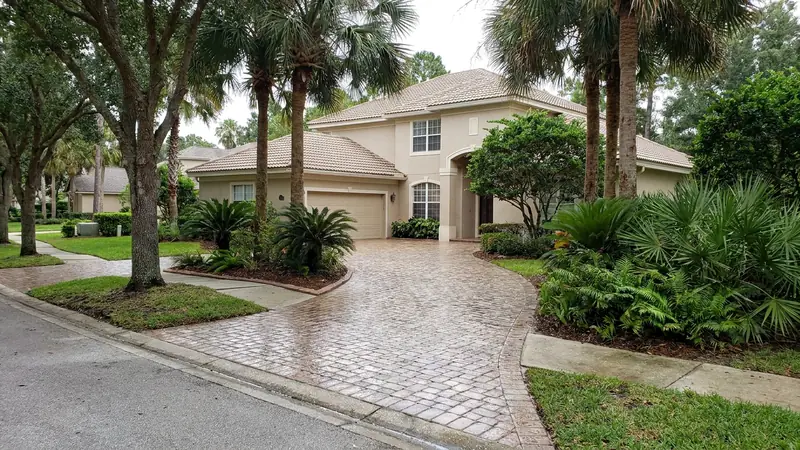
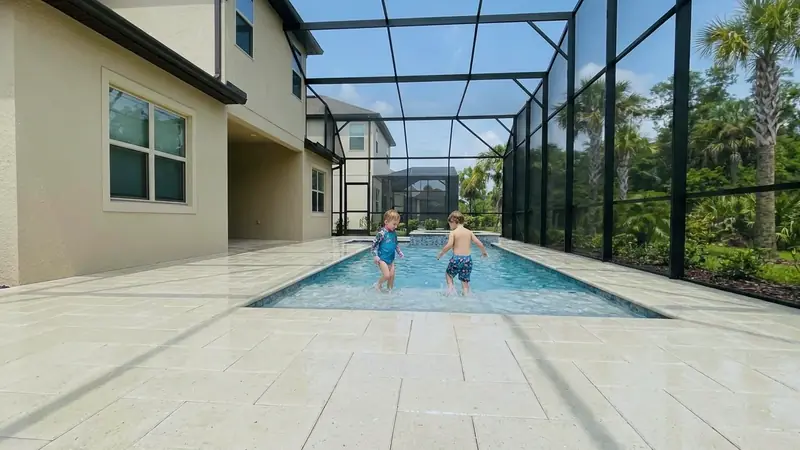
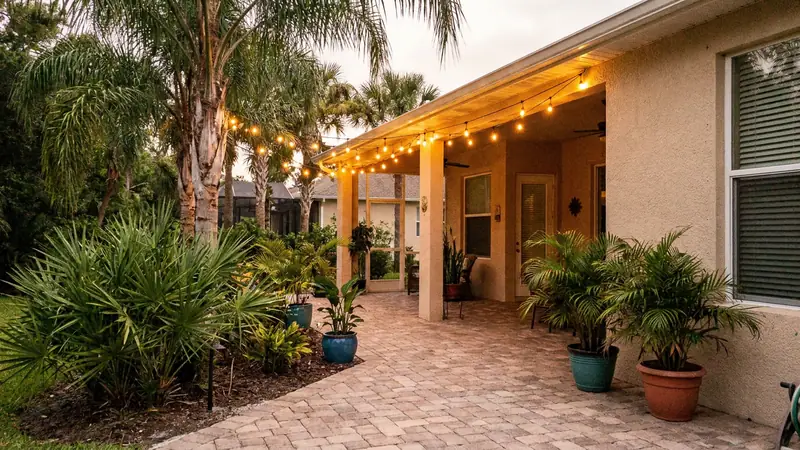
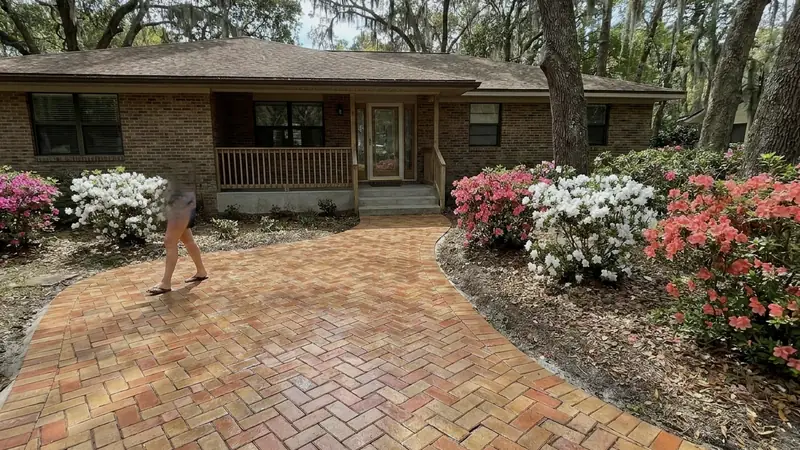
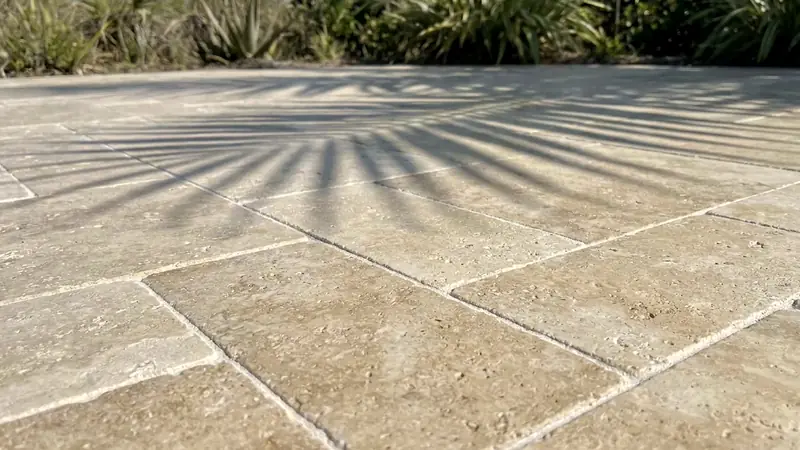
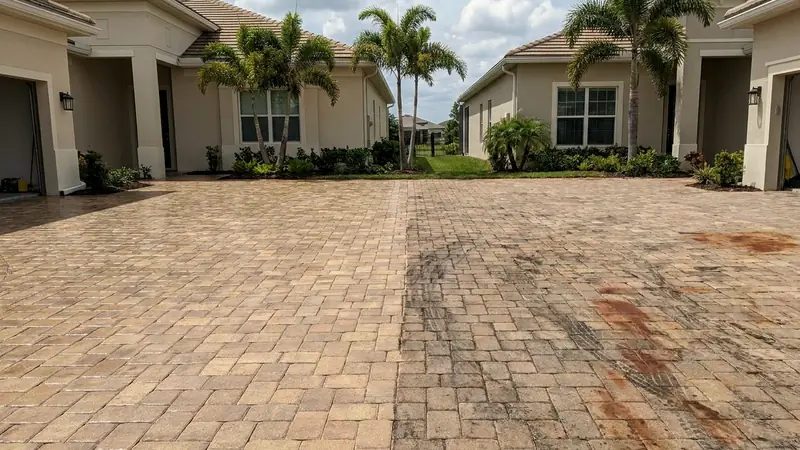
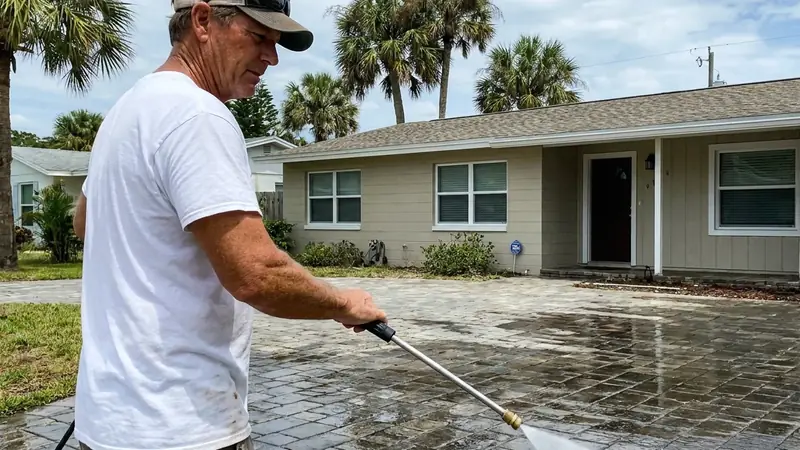
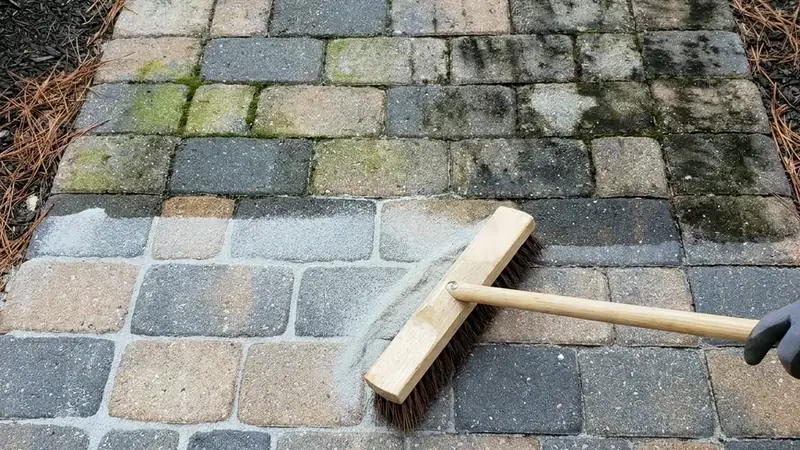
What do sealed pavers look like around Oceanway?
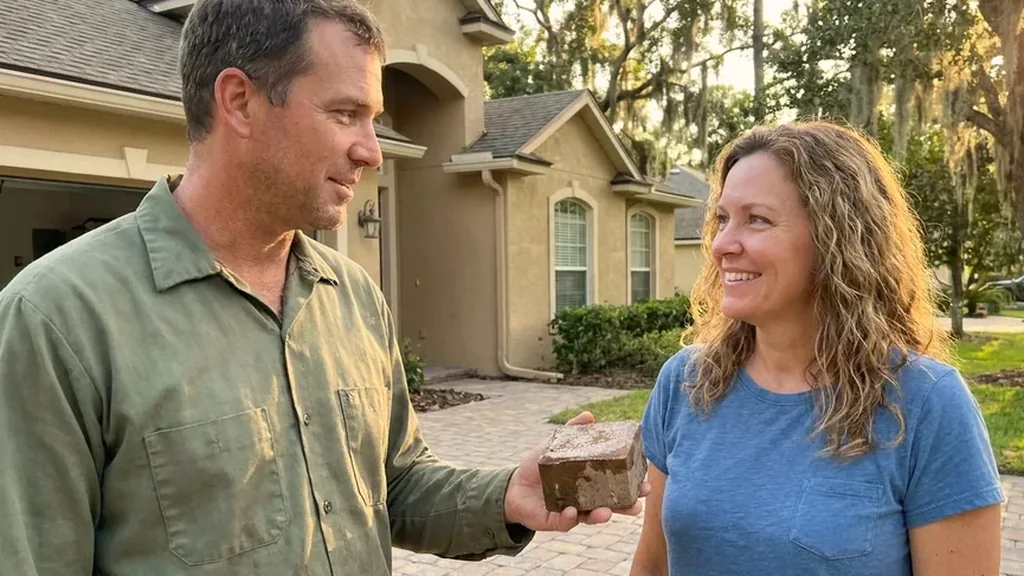
Why local matters in Oceanway
Farms and fast growth around Oceanway
A contractor who works Oceanway knows the neighborhood is a patchwork of old farms and fast new growth. That tells them to ask about the age of your pavers before quoting. A crew that works only new communities may not think to. To reach a contractor in North Jacksonville, call (904) 474-3568.
Water and drainage in Oceanway
Local experience also covers water. After Irma flooded homes on Blue Whale Way, many owners learned how slowly this ground drains. A contractor from nearby will ask where water stands on your lot and plan the drying time around it. You can ask for your free estimate and ask how that works.
Distance from downtown to Oceanway
Distance matters too. Oceanway sits well north of downtown, with I-95 and River City Marketplace on its edge. A contractor already working in North Jacksonville can reach you without a long trip, which can make scheduling easier. ask for your free estimate and give your street.
What is Oceanway known for in North Jacksonville?
How Oceanway grew from small farms
Oceanway is a Northside neighborhood that was once dotted with small farms. It has grown sharply since the early 1980s, adding schools and subdivisions. First Coast High School opened in 1990 and added a wing in 2006 to handle the growth. If you live near the school and want a quote, ask for your free estimate.
River City Marketplace and Yellow Bluff Fort near Oceanway
River City Marketplace opened in 2006 and sits east of Interstate 95. Yellow Bluff Fort Historic State Park, a Confederate camp from 1862, is on New Berlin Road near the St. Johns River. The Timucuan Preserve covers 46,000 acres nearby. For a free estimate near any of these Oceanway places, call (904) 474-3568 and give your street.
Frequently Asked Questions
Is it good to seal pavers in Oceanway?
Usually, because Oceanway sees heavy summer rain that strips sand from unsealed joints. A coat holds the sand in place, slows fading and keeps stains from soaking in. The free estimate tells you whether yours are ready.
How long do paver sealers last in Oceanway?
Company quotes for the gap between coats run two to five years. PaverGuard says full-sun driveways land nearer 18 to 24 months, and shaded walkways can reach 24 to 36. If water soaks in and darkens the paver, the coat has worn out.
Why is paver sealing so expensive in Oceanway?
The sealer is the cheap part. The expense is the prep: repairs, a thorough wash, new sand and drying. A Jacksonville guide says larger jobs cost less per square foot, since prep does not grow in step with the area.
How much does it cost to seal outdoor pavers in Oceanway?
Around Northeast Florida the usual published price is $1.75 to $3.25 per square foot for the full job. A failed coat that has to be stripped raises the price. Have the contractor put the total area in writing.
Should I seal brand-new pavers in Oceanway right away?
Not right away. A local company says new installations wait 30 to 60 days before a first coat. A white haze called efflorescence often shows in the first or second season and fades with weathering. The contractor can advise on timing.
Can I seal pavers in Oceanway after flooding?
Yes, once the pavers are washed and bone dry. Floodwater leaves silt, which is washed off before sealing. Lost joint sand is replaced. Show the contractor where water stands on your lot.
What if my old Oceanway sealer turned white?
Sealer that turns milky or white has to be stripped, one Jacksonville company says. New sealer would only trap the haze. The contractor strips it, washes, re-sands and starts over, which adds to the price.
Is there a good season for paver sealing in Oceanway?
Fall and winter are drier here, with the dry months running November to April, so surfaces dry more reliably. Safe Touch calls fall the preferred season for that reason. Summer jobs still happen when the forecast shows a clear day or two.
Does Oceanway's heavy summer rain wash out paver sealer?
A cured coat holds up through summer rain, but it needs dry weather to cure. Surebond says its sealers need 24 hours of dry weather after application. That is why a contractor watches the forecast. A storm right after sealing can spoil the finish.
Will sealing change the look of my Oceanway driveway?
Only as much as you choose. Matte keeps the natural color, and a wet look deepens it. A landscape trade source also notes that sealer can enhance surface color, which helps pavers that have gone dull.
Do I need to move my cars before paver sealing in Oceanway?
Yes. Cars and trash cans come off the pavers before the wash starts, and cars stay off afterward for about a day. If your drive is the only parking, plan to park on the street for that stretch. Tell the contractor if your street has limited space.
Can sealing stop weeds and ants between my Oceanway pavers?
It helps. Sealing the joints discourages ants and weeds, a landscape trade source says, because the sand stays put. Weeds still need to be cleared before sealing. Joints that have already lost sand get refilled during the job.
Nearby areas we serve
Ready for a Free Estimate in Oceanway?
Call (904) 474-3568 and tell us about your pavers.
Free, no obligation